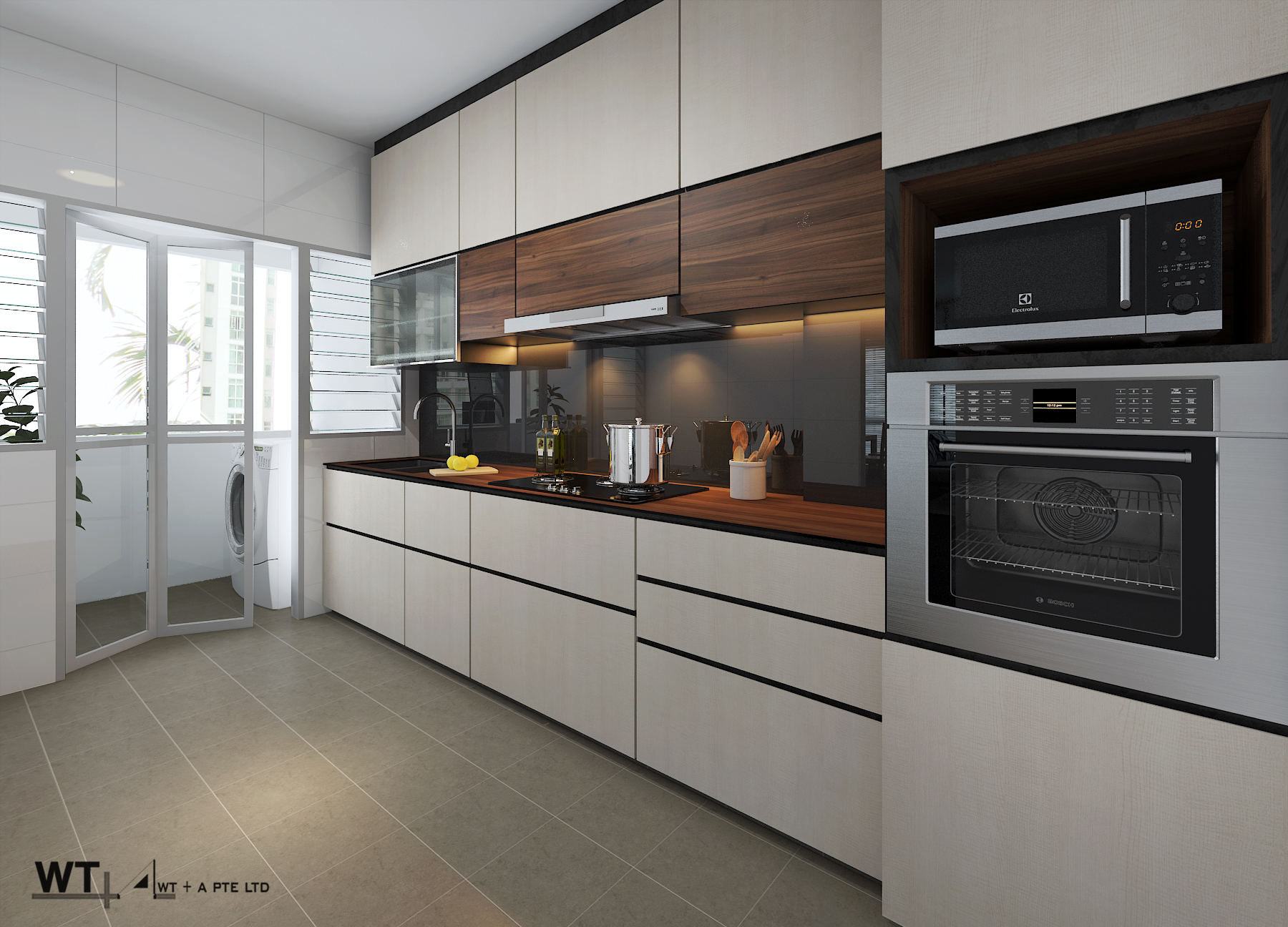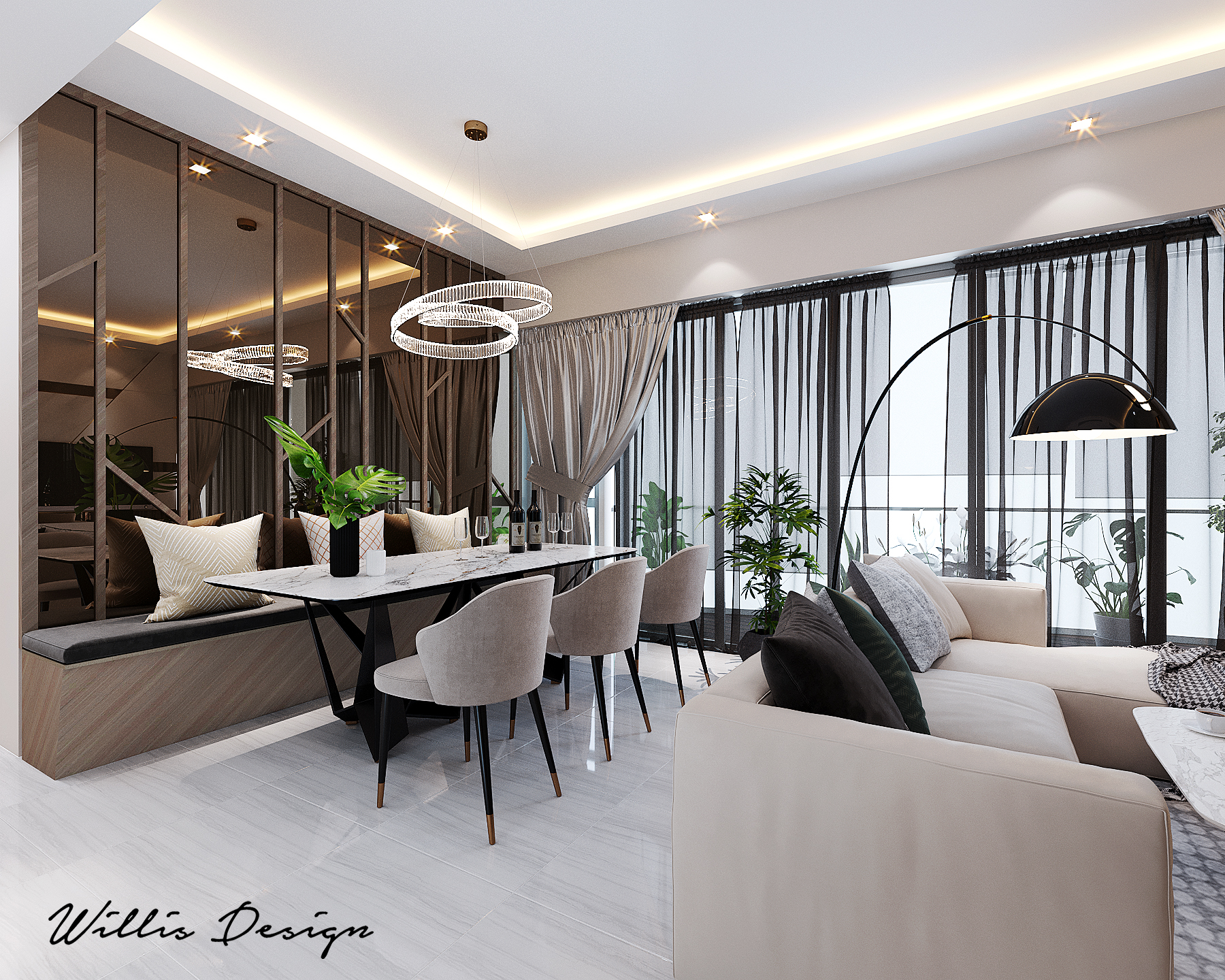


Japandi has become one of the most popular interior design styles in recent years — but beyond the aesthetic, it represents a way of living.
Combining Japanese minimalism with Scandinavian warmth, Japandi focuses on simplicity, functionality, and comfort. The result is a space that feels calm, intentional, and easy to live in.
But what exactly defines Japandi style, and how can it be applied in a practical home setting?
1. A Balance Between Minimalism and Warmth
At its core, Japandi is about balance.
Japanese design brings a sense of simplicity and restraint, while Scandinavian design introduces warmth and comfort. Together, they create spaces that feel clean but not cold, minimal but not empty.
This balance is what makes Japandi especially suitable for modern homes — particularly those with limited space.
2. Focus on Functionality
Japandi interiors are designed with purpose. Every piece of furniture and every layout decision serves a function.
Rather than filling a space with decorative items, the focus is on usability and comfort. This results in a home that feels organised, calm, and easy to maintain.
In smaller homes, this approach also helps maximise space without compromising on aesthetics.
3. Natural Materials and Textures
Materials play an important role in defining the Japandi look.
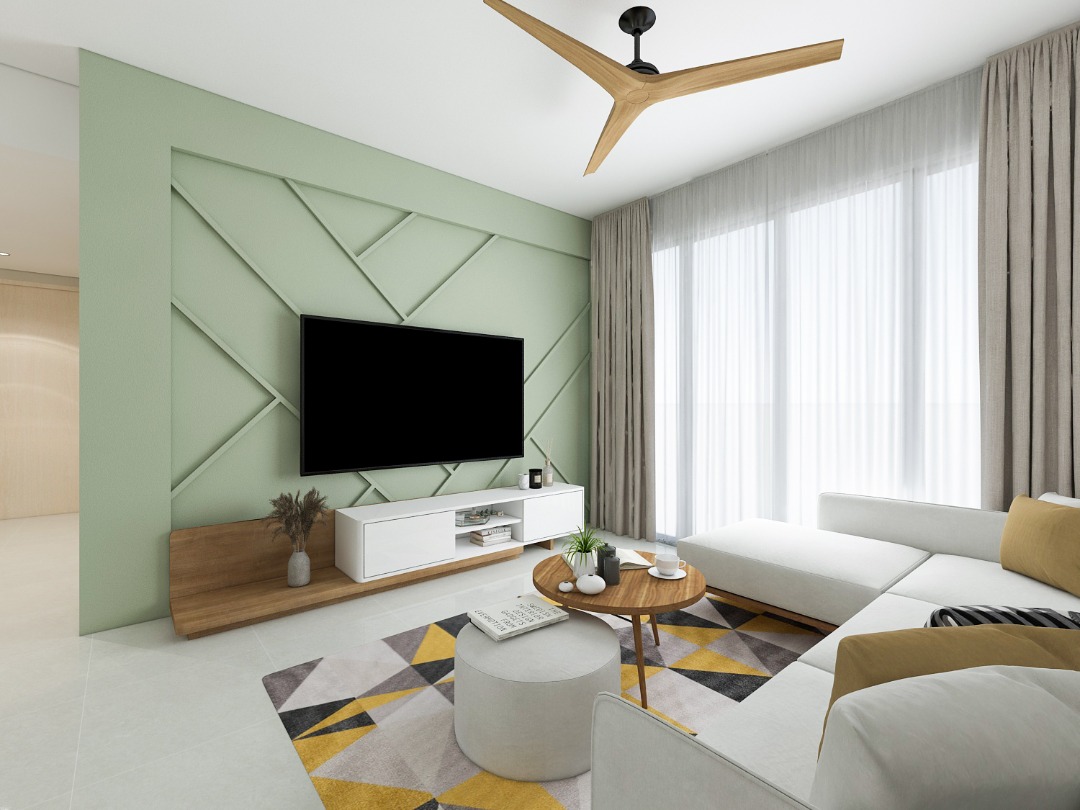
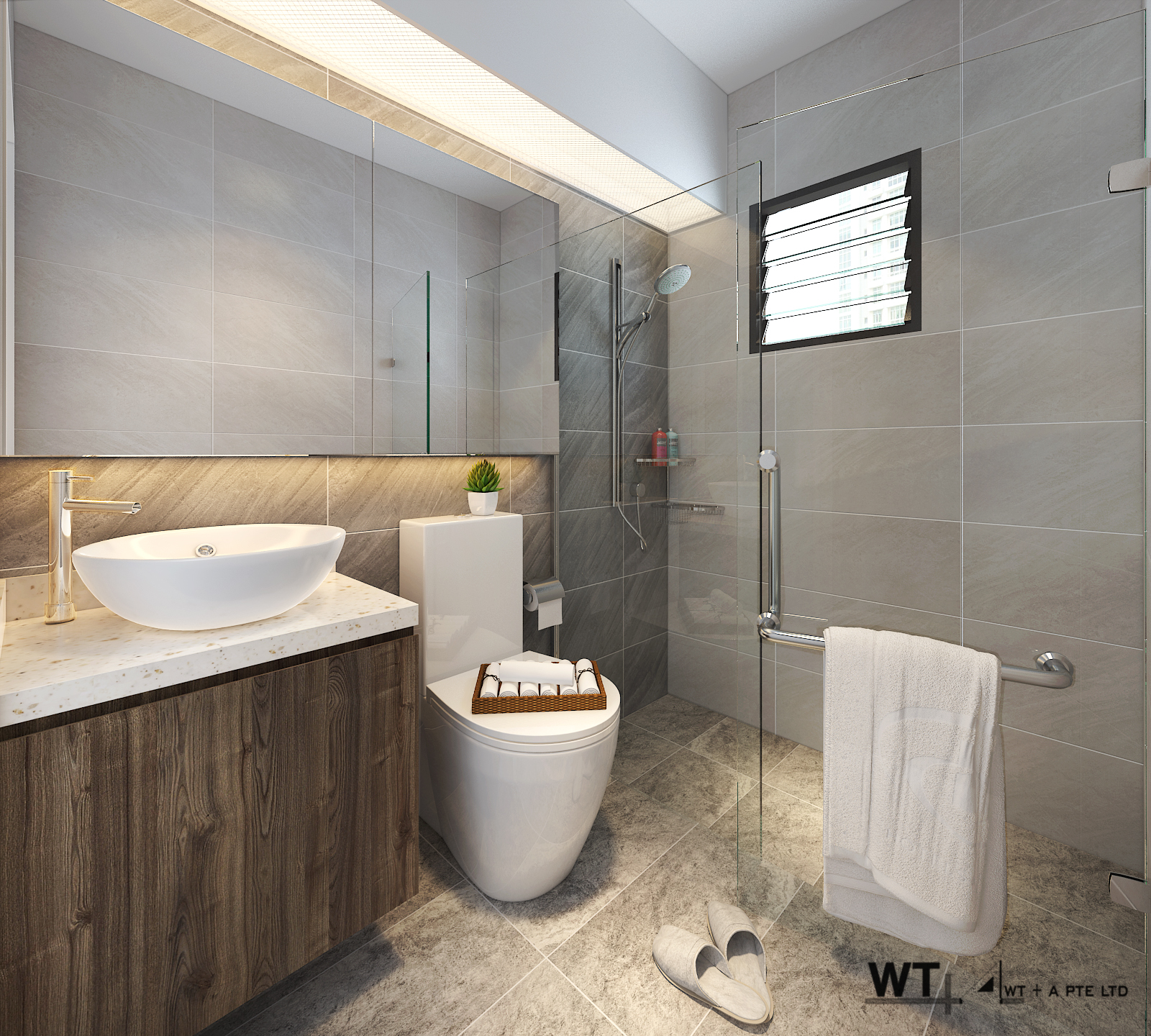
You’ll often see a mix of light woods, soft fabrics, and subtle textures. These elements bring warmth into the space while maintaining a clean and understated appearance.
The goal is not to create contrast, but to build a harmonious and cohesive environment.
4. Neutral and Muted Colour Palette
Japandi spaces typically use soft, neutral tones such as beige, warm grey, off-white, and muted earth tones.
These colours create a calm backdrop that allows the space to feel open and relaxed. Dark accents may be used sparingly to add depth and contrast.
The overall palette remains subtle and timeless.
5. Clutter-Free Living
One of the defining characteristics of Japandi style is its emphasis on simplicity.
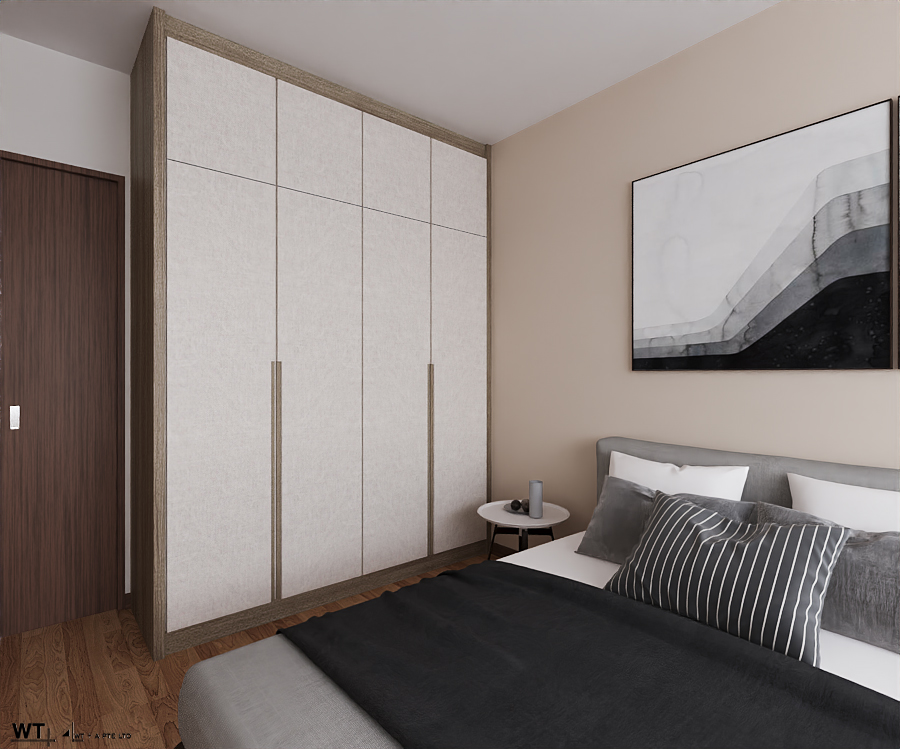
This doesn’t mean having an empty home, but rather being intentional about what you keep. Storage is often built into the design, allowing everyday items to be neatly organised and out of sight.
The result is a space that feels clean, peaceful, and easier to live in.
Is Japandi Suitable for Every Home?
Japandi works particularly well for homeowners who value:
- clean and uncluttered spaces
- practical layouts
- a calm, relaxed environment
However, it requires discipline in both design and daily living. Without proper planning, spaces may feel too plain or lack warmth.
Conclusion
Japandi is more than just a design trend — it’s an approach that prioritises clarity, function, and comfort.
When applied thoughtfully, it creates a home that not only looks refined, but feels balanced and effortless to live in.